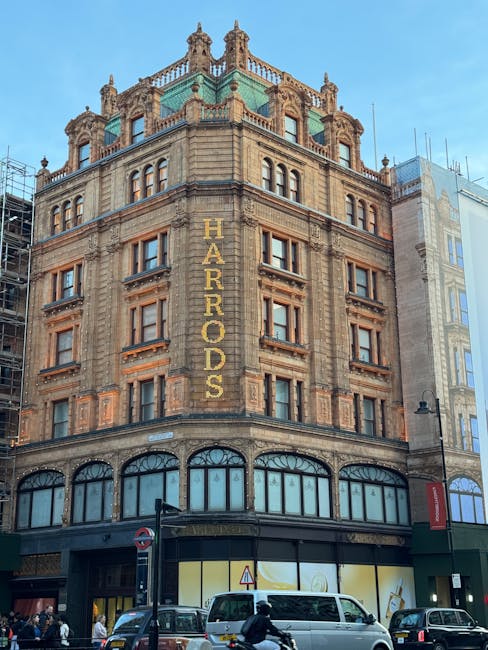
Sloane Street Knightsbridge rug cleaning for shops
Posted on 07/05/2026
Sloane Street Knightsbridge Rug Cleaning for Shops: A Practical Guide for Busy Retail Spaces
If you run a shop on Sloane Street, you already know the floor takes a beating long before the day is done. Footfall, salt from wet pavements, dust from traffic, the odd spill, and the constant shuffle of stock all leave their mark. That is where Sloane Street Knightsbridge rug cleaning for shops becomes less of a nice-to-have and more of a smart, routine part of keeping the place looking sharp.
Rugs in retail spaces do a lot of heavy lifting. They soften interiors, reduce noise, protect flooring, and quietly shape how customers feel when they step inside. But they also trap grit, hold odours, and show wear in the busiest areas first. This guide explains how shop rug cleaning works, what to expect, what to avoid, and how to choose a method that fits a premium Knightsbridge setting without disrupting trading. Straightforward stuff, but worth getting right.
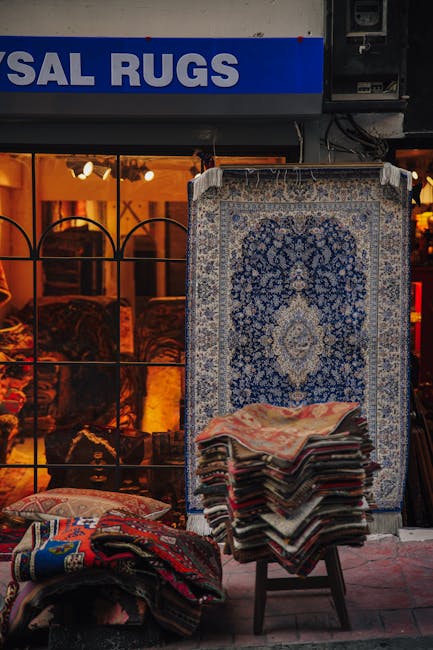
Why Sloane Street Knightsbridge rug cleaning for shops Matters
On a street like Sloane Street, presentation is part of the business model. People notice the details. They notice the entrance rug that looks crisp, and they notice the one that has gone a little grey at the edges. A tired rug can make an otherwise immaculate shop feel undercared for, which is a shame because it is usually fixable.
For shops, rug cleaning is not just about appearance. It is about hygiene, customer comfort, and protecting investment. Premium rugs, whether they are wool, synthetic blends, natural fibres, or designer pieces, can be expensive to replace. Regular cleaning extends their life and helps them keep doing their job without looking beaten up.
There is also the practical side. In retail settings, rugs can catch debris from the pavement and damp from wet shoes. That dirt works its way down into the fibres and acts like fine sandpaper. Over time, even a good-quality rug can start to flatten and lose colour. If you have ever walked into a boutique on a rainy November afternoon and immediately noticed a musty smell near the doorway, you will know exactly what that means. It is not subtle.
For stores around Knightsbridge, especially on high-profile routes such as Sloane Street and nearby Brompton Road, the cleaning standard has to match the environment. You are not just cleaning for cleanliness. You are cleaning for brand perception, safety, and longevity. That is the real reason it matters.
For broader context on local cleaning standards and service coverage, it can help to review the main services overview and the area-specific carpet cleaning in Knightsbridge page.
How Sloane Street Knightsbridge rug cleaning for shops Works
Good commercial rug cleaning is usually a process, not a single blast of product and hope. The exact method depends on the rug fibre, the level of soiling, the backing, the dyes, and whether the rug can be moved off-site or needs to be cleaned in place. That last point matters a lot in active shops. Nobody wants half the floor out for the day if it can be avoided.
Most professional work starts with inspection. A cleaner checks the fibre type, colourfastness, stains, edges, fringe, and any signs of wear or previous repair. That first look decides the cleaning route. You would be surprised how often a rug that seems "just dirty" is actually hiding older moisture damage or a weak border that needs gentle handling.
From there, the process often includes dry soil removal, targeted stain treatment, controlled washing or low-moisture cleaning, rinsing or extraction, and careful drying. In some cases, a specialist may use a restorative clean for heavy traffic rugs or rotate the rug through a more intensive treatment if it has embedded grit. Rugs with delicate natural fibres need a more restrained approach. No heroics.
For shop fronts, there are often two working patterns:
- On-site cleaning for rugs that must stay in place or are too large to move easily.
- Off-site cleaning for deeper treatment, drying control, or delicate pieces that need a quieter environment.
Off-site cleaning can be especially useful for luxury retail, where a rug might be a design feature as much as a floor covering. If your shop has nearby offices, shared access, or after-hours restrictions, planning becomes just as important as the wash itself.
A useful rule of thumb: the more valuable or delicate the rug, the more you want a careful inspection before anything gets wet. Simple, really.
Key Benefits and Practical Advantages
There is a reason experienced shop managers keep rug maintenance on the calendar. The benefits go beyond the obvious sparkle-and-smell-good result.
- Improved first impressions: Clean rugs make the whole space feel more deliberate and high-end.
- Longer rug lifespan: Regular removal of grit and residue reduces fibre wear.
- Better hygiene: Retail rugs can trap dust, pollutants, and foot-borne debris.
- Odour control: Spills, moisture, and organic residue can create stale smells if ignored.
- Reduced slip risk: Clean, properly dried rugs are less likely to become damp or distorted.
- Brand consistency: The floor should match the quality of the stock and fit-out.
There is another advantage that people sometimes overlook: staff morale. A clean shop feels more pleasant to work in. It is a small thing, but then retail is full of small things. When the entrance smells fresh instead of stale and the rug does not look tired by lunchtime, the whole environment feels more cared for.
For shops that host regular client visits, private appointments, or quiet browsing, rug maintenance also supports a calmer atmosphere. If you are interested in the broader area character and customer flow around Knightsbridge, the local article a perfect day in Knightsbridge offers a useful sense of the neighbourhood rhythm.
Expert summary: In a retail setting, rug cleaning is not only a cleaning task. It is part of presentation management, risk reduction, and asset care. The best results come from matching the method to the fibre, the traffic level, and the shop's trading pattern.
Who This Is For and When It Makes Sense
This kind of cleaning is relevant for a wide range of businesses, but it is especially useful for shops where the floor cover is part of the customer experience. Think fashion boutiques, jewellers, gifting stores, beauty retailers, small galleries, luxury interiors showrooms, and independent shops that rely on a polished atmosphere.
It also makes sense if your business has any of the following:
- an entrance rug that catches rainwater and grit
- display rugs or runners in client-facing spaces
- periodic spills from drinks, product testing, or packaging
- heavy daily footfall from local shoppers and visitors
- a need to clean outside opening hours
- high-value rugs that need specialist handling
If your shop is on or near Sloane Street, you are also dealing with the reality of a premium neighbourhood. Customers often expect a neat, quiet, and tidy environment. To be fair, that expectation is not unreasonable. In an area where window displays and interior styling matter so much, a well-kept rug can quietly support the whole impression.
It is also relevant for businesses that share entrances, reception areas, or upper-floor access with other tenants. In those cases, rug cleaning may need to be coordinated with building management or security, especially if access is limited before trading begins.
And yes, if the rug is more decorative than functional, it still matters. Decorative rugs collect dust too. Sometimes more than you think.
Step-by-Step Guidance
If you want a clean result without upsetting the shop routine, a structured approach works best. Here is the practical version.
- Identify the rug type. Check fibre content, pile height, backing, fringe, and any maker's label if available.
- Assess the problem. Is it general soiling, a spill, odour, flattening, or visible staining?
- Decide whether it stays on-site. Some rugs can be cleaned in place. Others are safer off-site.
- Protect the surrounding area. Cover nearby displays, electronics, and stock before work starts.
- Test cleaning products. A spot test is essential on dyed or delicate rugs.
- Pre-treat the fibres. Target the heavy-traffic areas and any marked spots.
- Clean with the right method. This may be low-moisture, hot-water extraction, or gentle hand cleaning depending on the material.
- Dry properly. Controlled drying matters. Damp rugs are risky, and not just because of smell.
- Inspect again. Check for residue, distortion, or remaining marks once the rug is dry.
- Set a maintenance schedule. Don't wait until the rug tells the story for you.
That final step is the one most shops skip. Then a month later the rug is back to looking tired. A recurring schedule usually gives better value than emergency cleans, especially in a store with consistent footfall.
If you need a broader understanding of how a cleaning provider structures retail and property work in the area, the local business page on office cleaning for your area is useful context even for mixed-use premises where the retail floor shares space with back-of-house offices.
Expert Tips for Better Results
There are a few small habits that make a surprisingly big difference. None of them are glamorous. All of them help.
- Vacuum slowly and regularly. Fast vacuuming lifts the surface a bit, but slower passes remove more grit.
- Deal with spills quickly. The longer a liquid sits, the deeper it travels into the pile.
- Use entrance barriers. A well-placed mat outside reduces the amount of debris reaching the rug.
- Rotate rugs where possible. This evens out wear in busy entrances or queueing areas.
- Mind the humidity. In a damp spell, drying time can stretch more than expected.
- Choose the right cleaning window. After closing, before delivery hours, or on quieter trading days tends to work best.
A very practical tip: keep a short record of what was done, when, and which products were used. That helps if the rug has a delayed reaction, or if you need to repeat a successful method later. It sounds a bit fussy. It saves time, though.
For shops near Brompton Road or with similarly high foot traffic, you may also find the article Brompton Road carpet cleaning insider tips handy because the working conditions and customer expectations are often broadly similar.

Common Mistakes to Avoid
Some rug problems are caused by dirt. Others are caused by bad cleaning. Honestly, both are avoidable.
- Using too much water: Saturation can lead to dye bleed, backing damage, and long drying times.
- Scrubbing hard at stains: That can distort fibres or push the stain deeper.
- Skipping a patch test: Especially risky on handmade, natural-dye, or older rugs.
- Ignoring the backing: The top may look fine while the underside is already affected.
- Trying to rush drying: Heat is not always the answer, particularly with delicate materials.
- Cleaning without planning access: A good result can become a poor experience if stock movement is disrupted.
One common mistake in retail spaces is treating a rug like a carpet. They are related, yes, but not identical. Rugs may have bindings, fringes, layered construction, or dyes that need a gentler touch. If in doubt, treat the piece as the more delicate item. That is usually the safer call.
Another mistake? Waiting until the rug is visibly filthy. By then the cleaning may be more intensive, more disruptive, and less consistent. A bit of prevention goes a long way.
Tools, Resources and Recommendations
The right tools make the work cleaner, safer, and more predictable. For shop rug care, the essentials usually include:
- commercial vacuum cleaners with adjustable suction
- soft brushes for loosening dry soil
- spot-testing products suitable for the fibre type
- neutral or fibre-appropriate cleaning solutions
- microfibre cloths and absorbent towels
- air movers or drying equipment for controlled drying
- protective sheeting for surrounding display areas
If you are planning a larger refresh for the whole premises, it may be worth looking beyond the rug and reviewing related services such as upholstery cleaning in Knightsbridge. In many shops, rugs and seating areas age together, and cleaning them together can make the whole space look noticeably more coherent.
For commercial clients who want a wider view of service options, the about us page is useful for understanding how a local provider positions itself, while pricing and quotes is the best place to explore how estimates are usually handled. And if you have a policy question before booking, insurance and safety is worth checking rather than assuming everything is covered. Better safe than sorry, as they say.
Law, Compliance, Standards, or Best Practice
For retail shops, rug cleaning is not usually a heavily regulated activity in itself, but it still sits within broader responsibilities around workplace safety, premises maintenance, and responsible handling of cleaning products. In practice, that means a few sensible things.
- Keep walkways safe: Wet rugs or drying areas should not create slip hazards for staff or customers.
- Use cleaning products properly: Follow label instructions and manufacturer guidance.
- Respect fire and emergency routes: Do not block exits, corridors, or access points with drying equipment or rolled rugs.
- Protect staff and visitors: If work happens during opening hours, cordon off areas clearly.
- Check insurer expectations: Some businesses need to document maintenance or use contractors with suitable cover.
It is also sensible to align cleaning practices with your wider health and safety procedures. If your shop has a formal management system, the health and safety policy and terms and conditions pages can help frame what good practice looks like from a service and booking standpoint.
For businesses handling sensitive stock, customer appointments, or premium interiors, discretion matters too. A good cleaner should work neatly, keep disruption low, and communicate clearly about drying times and access needs. That is not overkill. It is just professional.
Options, Methods, or Comparison Table
Different rugs need different approaches. Here is a simple comparison to help you think through the options without getting lost in jargon.
| Method | Best for | Advantages | Watch-outs |
|---|---|---|---|
| Low-moisture cleaning | Routine maintenance, lighter soil, busy shops | Faster drying, less disruption | May not remove deep-set contamination |
| Hot-water extraction | Many synthetic or robust rugs | Strong soil removal, good for embedded grit | Needs careful drying and fibre suitability checks |
| Hand cleaning / specialist washing | Delicate, handmade, or high-value rugs | More control, safer for sensitive fibres | More time-consuming, often off-site |
| Spot treatment only | Small marks or emergency response | Quick and targeted | Not a replacement for full cleaning |
The right choice depends on the rug, not the trend. That sounds obvious, but people still get it wrong. A silk-look decorative rug and a hard-wearing entrance runner are not asking for the same treatment at all.
Case Study or Real-World Example
Imagine a small boutique near Sloane Street with a pale woven rug at the entrance. Over a few months, the edge nearest the door starts to look grey, and the centre shows a darkened track where customers naturally pause. Nothing dramatic. Just the usual signs of busy retail life.
The manager first notices it on a Monday morning when the shop is quiet and the overhead lighting is unforgiving. The rug still looks fine from a distance, but up close it has lost its lift. The fibres are slightly matted, and there is a faint damp smell after a rainy weekend. Not terrible. Just enough to dull the room.
In a situation like this, the right response would be a structured clean: inspection, fibre testing, targeted pre-treatment, controlled cleaning, and proper drying out of trading hours. After that, a maintenance plan might include weekly vacuuming, faster spill response, and a deeper clean every few months depending on footfall.
What changes after that? The entrance feels brighter. The rug sits better. Staff stop stepping around a visible patch and the whole store feels more polished again. It is a small improvement, but in retail small improvements stack up fast. That is the honest truth.
If you want more local context on how Knightsbridge spaces are used and experienced, the article on the reality of Knightsbridge life offers a grounded look at the area beyond the polished surface.
Practical Checklist
Before you book or schedule rug cleaning for a shop, run through this quick checklist:
- Have you identified the rug material and any care labels?
- Do you know whether the rug can be removed or must stay in place?
- Have you checked for stains, wear, or dye sensitivity?
- Is there a suitable time window outside trading hours?
- Have you protected stock, fixtures, and nearby surfaces?
- Will drying areas be safe and unobstructed?
- Have you confirmed access, parking, or loading arrangements if needed?
- Do you need a receipt, service record, or insurance-related paperwork?
- Is there a plan for ongoing maintenance after the clean?
- Have you reviewed related services if the rest of the shop also needs attention?
If you tick most of those boxes, you are in good shape. If not, no problem. Better to sort it before the day of the clean than juggle it mid-service with customers walking in and out.
Conclusion
Sloane Street shops live and die by presentation, and rugs are one of those quiet details that can either support the brand or drag it down. With the right approach, rug cleaning becomes a simple part of retail upkeep: protect the fibres, control the drying, avoid the common errors, and keep the schedule sensible.
For shops in Knightsbridge, especially in polished, high-footfall locations, the best results usually come from a mix of routine maintenance and targeted deeper cleaning when it is needed. Not every rug needs the same treatment. Not every week needs the same plan. But a clean, fresh rug? It makes a difference straight away.
If you are weighing up next steps, start with the rug's condition, the shop's trading pattern, and the type of finish you want to protect. Then choose the method that fits the space, not the other way round. That is usually where the savings and the better results begin.
Get a free quote today and see how much you can save.
And if you are still deciding, that is fine too. A careful decision now often saves a lot of hassle later, and your shop deserves that bit of care.