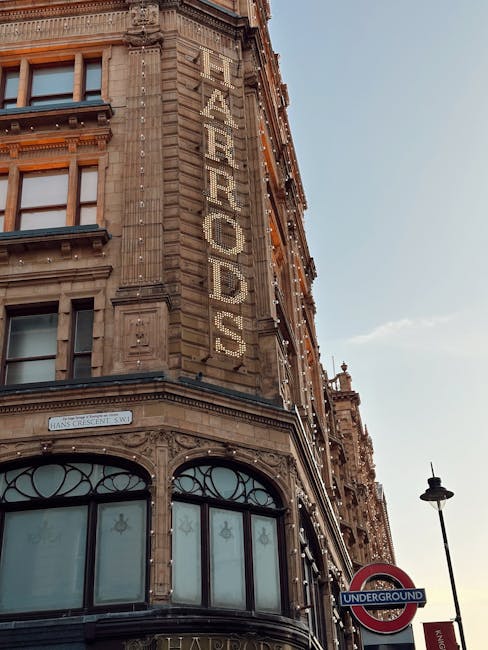
Knightsbridge station area flat access problems for cleaning
Posted on 11/06/2026
Knightsbridge station area flat access problems for cleaning: a practical guide for residents, landlords and cleaners
If you have ever tried to arrange a clean in a flat near Knightsbridge station, you will know the issue is rarely the clean itself. It is the access. Narrow entrances, porter arrangements, lift delays, awkward loading, resident-only rules, and the simple fact that a beautiful building can still be a pain to work in - all of that can turn a straightforward booking into a small logistics project. This guide on Knightsbridge station area flat access problems for cleaning breaks down what usually goes wrong, why it matters, and how to make the whole process calmer, quicker, and safer.
Whether you manage a luxury apartment, live in a mansion block, rent short term, or book professional cleaners for regular upkeep, the same principle applies: good cleaning depends on good access. Get that right and everything else tends to fall into place. Get it wrong and, well, the hoover may end up waiting in the hallway while someone searches for a fob at the front desk.
Why Knightsbridge station area flat access problems for cleaning Matters
Knightsbridge station is surrounded by homes that are often premium, tightly managed, and built with security and privacy in mind. That is good for residents. It is not always simple for cleaners. A team may arrive with equipment, only to find that the route from street to flat needs advance notice, a lift booking, an access code, or permission from building management. Sometimes there is no obvious place to unload at all.
Access matters because cleaning is time-sensitive and equipment-heavy. A carpet clean, upholstery clean, or end-of-tenancy clean often relies on vacuums, solutions, water-based machines, cloths, protective sheets, and drying tools. If the team has to carry everything up several floors by stairs, the job can take longer and become physically harder. If the building has protected flooring or strict concierge rules, the pressure rises again.
There is also a client-side impact. Delays, confusion, or awkward entry arrangements can mean missed slots, higher stress, and less predictable results. For landlords and tenants, that can affect move-out schedules. For homeowners, it can disrupt a workday. For cleaners, it can reduce the time available to focus on the actual standard of cleaning. Simple enough, really, but often overlooked.
In our experience, the best outcomes come when access is treated as part of the cleaning brief, not a side note. That one shift changes everything.
How Knightsbridge station area flat access problems for cleaning Works
"Works" is perhaps a generous word here, but the process is fairly consistent. First, someone books a clean. Then the practical questions begin: where can the team park, how do they get into the building, who opens the flat, what time is the lift available, and whether there are any restrictions on noise, waste removal, or hallway equipment.
A typical access check should cover a few basics:
- entry to the building
- entry to the flat itself
- lift or stair access
- parking or unloading arrangements
- concierge or porter coordination
- time windows set by the building
- any rules on equipment, water use, or waste handling
For a domestic clean, access may be simple enough if someone is home and can let the cleaner in. For an end-of-tenancy clean, the flat may be empty, which means keys, codes, or managed handover points become essential. For upholstery or carpet cleaning, entry timing matters even more because machines and drying stages need space and planning.
One thing people underestimate is the "handover friction." If a cleaner arrives but cannot reach the flat for 15 minutes, that is not just lost time. It can throw off the whole day's schedule. In a busy place like Knightsbridge, where parking and building control are both at a premium, those small delays add up quickly.
A careful provider will usually ask the awkward questions early. That is a good sign. Better a slightly nosy booking conversation than a chaotic arrival, to be fair.
Key Benefits and Practical Advantages
Planning for flat access problems may not sound glamorous, but it saves real time and money. It also reduces the chance of mistakes that are hard to fix later.
- Fewer delays: Cleaners can start on time instead of waiting outside or searching for entry.
- Better results: More of the appointment is spent cleaning, not coordinating.
- Lower risk of damage: Proper access planning helps protect lifts, corridors, and shared flooring.
- Less disruption to residents: Noise, trolley movement, and circulation through communal areas can be managed sensibly.
- More predictable quotes: When access is clear, the job is easier to price accurately. You can see why this connects with clear pricing and quotes.
- Smoother handovers: This is especially useful for move-out jobs and timed inspections.
There is a comfort benefit too. A flat clean near Knightsbridge station often sits inside a busy daily rhythm: commuters, deliveries, concierge desks, visitors, and the usual London background hum. If access is organised well, the clean feels almost invisible. That is the goal. Calm in, clean done, calm out.
For customers comparing providers, this kind of practical thinking is often a better sign than a glossy sales pitch. A company that understands building access is usually a company that understands the job.
Who This Is For and When It Makes Sense
This advice is not only for luxury flat owners, though Knightsbridge certainly has plenty of those. It is useful for anyone who needs cleaning in a building where entry is controlled or awkward.
- Residents who live in mansion blocks, portered buildings, or upper-floor flats
- Landlords preparing a property for new tenants
- Tenants booking a clean before check-out
- Letting agents managing turnaround schedules
- Concierges and building managers who coordinate access
- Cleaning teams who need reliable arrival and load-in details
It makes particular sense when the flat has one or more of the following:
- secure entry with codes or fobs
- restricted lift hours
- shared corridors with protection rules
- limited parking on nearby streets
- awkward loading or no nearby stopping point
- high-value surfaces that need careful handling
If the property is also furnished with antiques, delicate rugs, silk-like upholstery, or polished natural stone, access planning becomes part of risk management. You do not want a rushed arrival with dirty boots, wet equipment, and nowhere sensible to set down protective sheets.
For readers exploring the local property scene more broadly, this view on finding property in Knightsbridge gives useful context on the types of homes and building styles that shape access issues in the first place.
Step-by-Step Guidance
Here is the simplest way to handle cleaning access in a Knightsbridge station area flat without turning it into a drama.
- Confirm who will grant entry. Is it the resident, concierge, porter, agent, or someone else? Decide that first.
- Share the exact address and flat number. Sounds obvious. It is still one of the most common sources of delay.
- Explain the building setup. Mention lift access, stairs, side entrances, service entrances, and any route preferences.
- Check parking or unloading options. Even a short unload can matter when equipment is heavy.
- Confirm access codes, fobs, or keys. Make sure they are handed over securely and in advance.
- Flag any restrictions. Noise windows, concierge rules, pet concerns, and building quiet times should be shared early.
- Allow for buffer time. In central London, "five minutes late" can become "nearly there" very quickly.
- Walk through the job on arrival. A quick room-by-room confirmation prevents misunderstandings.
A useful habit is to ask: what would stop a cleaner from reaching the flat in one clean movement? Start there and work backwards. It is a small mindset shift, but it helps.
For more general service planning and expectations, it can help to review a provider's services overview before booking, especially if you are comparing more than one type of cleaning in the same visit.
If the job is a move-out clean, a linked approach works even better. The booking, keys, inventory timing, and access handover should all be aligned. If you want a practical example of how that kind of visit gets organised, the SW1X end-of-tenancy checklist is a useful companion read.
Expert Tips for Better Results
After enough apartment cleans in central London, a few patterns become obvious. Nothing fancy, just the little things that stop the day from wobbling.
- Send access notes before the day of service. Last-minute instructions are fine, but early notice is better.
- Use one main contact. Too many people giving instructions causes confusion. Honestly, one calm contact beats five uncertain ones.
- Photo the route if needed. A quick picture of the entrance, buzzer panel, or parking bay can save a lot of back-and-forth.
- Keep the lift free where possible. If building rules allow it, reserve it in advance.
- Protect common areas first. Floor runners and proper lifting habits matter in premium buildings.
- Book a sensible time slot. Early mornings are often quieter, though not always. Buildings differ.
- Tell the cleaner about fragile items. That glass table in the sitting room? Mention it. Twice if needed.
One tiny but useful trick: write access instructions in the same order a cleaner will need them. Entrance first, then lift, then flat key, then parking, then room notes. It sounds simple because it is simple. But simple wins.
If you are dealing with a high-end furnished flat, you may also find it helpful to read about upholstery cleaning for luxury flats, since access issues and delicate interiors usually travel together.
Common Mistakes to Avoid
Most access problems are not dramatic failures. They are ordinary oversights. The good news is that ordinary oversights are easy to fix once you know them.
- Assuming someone else arranged the keys. This one causes far more late arrivals than people expect.
- Not mentioning the concierge process. A building that requires sign-in, advance notice, or escorted entry needs to be treated as such.
- Ignoring lift size. A machine can be fully capable of the job and still not fit comfortably through a small lift door.
- Booking without checking parking rules. Knightsbridge is not forgiving on poor stopping plans.
- Leaving pets, children, or other occupants out of the discussion. That can affect timing and safety.
- Forgetting about drying space. Some cleaning methods need ventilation and room to dry properly.
- Overlooking shared-area protection. One wet wheel mark in a pristine hallway and everyone notices. Everyone.
The most avoidable mistake is probably this: treating access as a minor admin detail. It is not minor. It is the foundation of the visit.
There is also a communication trap. People sometimes give a cleaner the "headline" version of the job and leave out the awkward part. You know the bit: "just a quick clean," followed by three locked doors and a porter who finishes at 2 p.m. Better to be upfront.
Tools, Resources and Recommendations
You do not need a complicated toolkit to handle access well. You just need a few practical bits and some discipline.
- Key handover note: A short written note with who has keys, codes, and when they will be available.
- Building access summary: One page listing entrance details, lift notes, porter hours, and parking restrictions.
- Cleaning schedule: Useful for residents who live in busy buildings and need to avoid awkward overlap with deliveries or contractors.
- Protective materials: Floor protection, corner guards, and covers where appropriate.
- Pre-arrival checklist: Helps confirm the flat is ready before the team arrives.
- Contact tree: One primary person and one backup.
For homeowners and landlords who want to understand more about service standards and working practices, the health and safety policy and insurance and safety information are sensible places to look. They help set expectations about care, access handling, and responsibility.
You may also want to review the provider's domestic cleaning in Knightsbridge and end-of-tenancy cleaning in Knightsbridge pages if you are comparing recurring versus one-off access needs. Those jobs can look similar from the outside, but they behave quite differently once the keys come out.
Law, Compliance, Standards, or Best Practice
For most flat cleaning jobs, the biggest compliance issue is not a special legal hurdle. It is careful working practice. Still, in a building near Knightsbridge station, you should expect ordinary UK duties around safety, access control, and respectful use of shared spaces to be taken seriously.
In plain English, that usually means:
- following building rules where they apply
- using safe lifting and carrying methods
- avoiding damage to communal floors, walls, and lifts
- respecting quiet hours and resident privacy
- handling keys, codes, and access information securely
- ensuring the job can be carried out without unnecessary risk
Where a building has a concierge or management company, best practice is to communicate early and keep a tidy paper trail. That is useful for everyone. It reduces disputes and makes handovers less fuzzy.
For service providers, written policies matter too. A company that publishes clear terms, complaints handling, payment expectations, and privacy information is usually better set up to manage access-sensitive work responsibly. Those pages are not exciting reading, granted, but they tell you a lot about how a business operates.
And yes, for something as ordinary as a flat clean, standards still matter. Especially when you are working in a high-value building with narrow margins for error.
Options, Methods, and Comparison Table
Not every access problem needs the same fix. Sometimes the answer is a concierge handover. Sometimes it is a key-safe arrangement. Sometimes the smartest move is simply choosing a better appointment time.
| Method | Best for | Pros | Watch out for |
|---|---|---|---|
| Resident present at the property | Simple domestic cleaning | Fast entry, direct communication, fewer surprises | Depends on someone being there on time |
| Concierge or porter access | Managed buildings | Professional handover, helpful for secure blocks | Depends on porter hours and building rules |
| Key collection or key safe | End-of-tenancy and vacant flats | Useful for empty properties and timed schedules | Needs secure handling and clear instructions |
| Scheduled access window | Buildings with strict entry times | Reduces conflict with other residents or contractors | Less flexible if the job overruns |
| Staged access with a lead-in call | Complex or luxury flats | Lets the cleaner prepare and coordinate properly | Takes more admin, but usually worth it |
If you are deciding between methods, think about two things: how secure the building is, and how much equipment the job requires. The more secure and equipment-heavy the job, the more important the handover method becomes.
Case Study or Real-World Example
Here is a realistic scenario, stripped of anything dramatic.
A two-bedroom flat near Knightsbridge station is booked for a combined carpet and upholstery clean after tenants move out. The property has a secure lobby, a lift with limited space, and a concierge desk that closes before the appointment window ends. On paper, the job looks simple. In practice, it needs coordination.
The first visit nearly falls apart because the key collection point was never confirmed. The cleaner arrives, waits, and gets caught between the lobby and a locked inner door. After a quick call, the keys are finally located. That costs time. Not a disaster, but enough to compress the rest of the job.
On the second attempt, the process is tidier. The agent shares the access contact, the key handover location, and the floor route. The cleaner arrives with the right protective materials, places covers at the threshold, and works room by room without interruption. The difference is not the equipment. It is the access planning.
That is really the point. Same flat, same work, same area. Different result because the access was handled properly. A bit dull to say, maybe, but absolutely true.
For nearby context on local cleaning challenges, you may also find these Brompton Road carpet cleaning tips useful, especially if your flat sits close to busy traffic routes and mixed-use buildings.
Practical Checklist
Use this before the cleaning appointment. Print it, copy it, message it - whatever works.
- confirm the exact address and flat number
- name the person responsible for access
- share entry codes, keys, or concierge instructions
- check lift availability and size
- confirm stair access if the lift is out of use
- note any parking or unloading restrictions
- tell the cleaner about building rules and quiet hours
- move fragile items where possible
- clear the route from entrance to flat
- make sure pets are secure
- allow space for equipment and drying
- have a backup contact number ready
- check whether post-clean ventilation is needed
- confirm the end time if the building has time limits
Expert summary: In Knightsbridge station area flats, the clean itself is often the easy part. Access, timing, and building control are what decide whether the appointment feels smooth or slightly chaotic. If you sort those early, the entire job becomes easier for everyone involved.
Conclusion
Knightsbridge station area flat access problems for cleaning are not unusual, and they are certainly not a sign that the property is badly managed. They are simply part of how central London flats work. Secure access, porter systems, shared areas, and limited stopping space all demand a bit of planning. Once that planning is in place, the rest feels far less stressful.
The main lesson is straightforward: do not leave access as an afterthought. Treat it as part of the job specification, and you will save time, reduce friction, and get a better result from the clean. That applies whether you are dealing with a weekly domestic visit, a delicate upholstery job, or a tight end-of-tenancy turnaround.
Get a free quote today and see how much you can save.
And if you are still in the planning stage, take one calm breath, check the keys, and make sure everyone knows the route. It really does make the day easier.